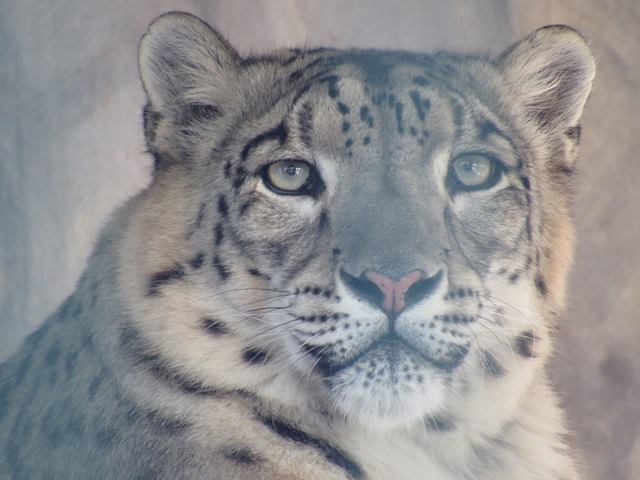
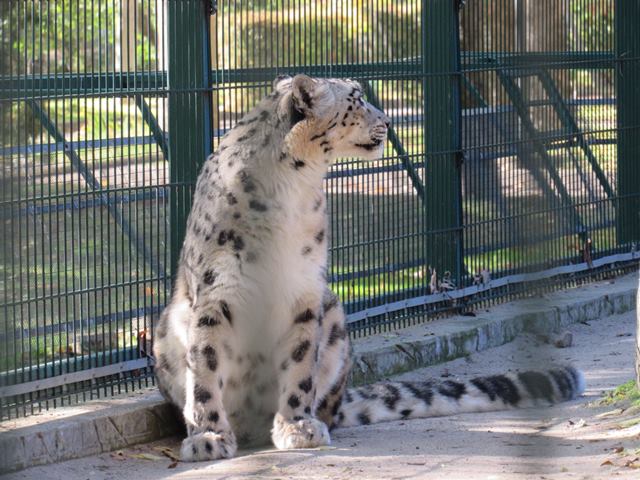
October 23 is International Snow Leopard Day. The holiday was established in Bishkek, the capital of Kyrgyzstan, at the World Snow Leopard Conservation Forum in 2013. This day was created to draw attention to the endangered species and is aimed at preserving the snow leopard. It was almost destroyed by the conquerors of the continent. Currently, their population numbers from 4,000 to 7,500 animals. Now the snow leopard lives far from people…
The snow leopard is also known as the irbis. It lives in the mountainous regions of 12 countries in Central and South Asia. It is a national symbol of some peoples. For example, the snow leopard is depicted on the coat of arms of the city of Almaty. It is also the national carnivore of Pakistan.
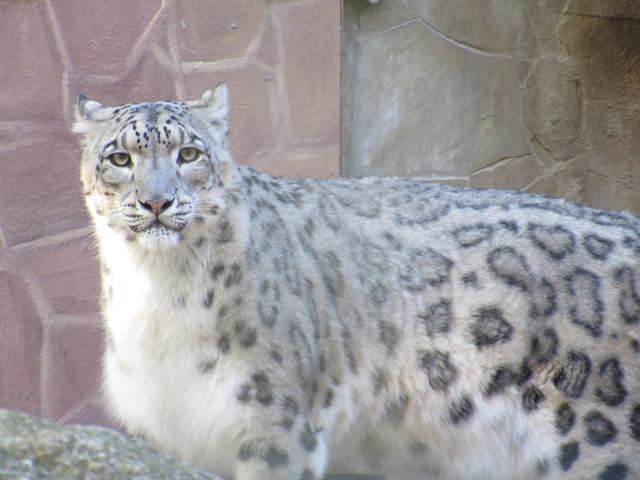
It can be found at an altitude of up to 6,000 m. Yes, they can live at altitudes inaccessible to humans, thanks to a number of adaptations. Their body has a high hemoglobin content and large lungs for better oxygen absorption, short, rounded ears help prevent heat loss; wide paws serve as snowshoes. The wool on the underside of the paws retains heat. The tail of the leopard helps maintain balance on rocky terrain. And the tail of the snow leopard stores a large amount of fat. It is covered with a thick layer of fur, which makes it so thick. This allows it to use the tail to cover its nose and mouth in cold conditions while sleeping.
The snow leopard is not afraid of low temperatures, its fur is high and thick, its length in height reaches 55 mm.
This animal is amazing and little studied. The reason for this is its inaccessible mountain habitats. It roams widely in its possessions, which can reach 1000 square kilometers. This animal is mainly nocturnal. The predator feeds on mountain ungulates and marmots. The snow leopard is solitary and finds a mate only for the mating season. The female can give birth once every two to three years.
The rare color and value of the snow leopard's fur have led to poachers hunting it. In addition, the expansion of pastures and the expansion of the grazing area in the countries of Central Asia leads to the fact that the natural habitat of the snow leopard is narrowing.
The population of this rare and incredibly beautiful animal is monitored in countries whose territories occupy the snow leopard's habitat. This is done using camera traps, satellite systems, collars with GPS trackers. Observation through binoculars is also used, but this animal is very rare and cautious, so such observation can be difficult. And the marks left on the trees help determine the boundary of the snow leopard's territory. The snow leopard is an endangered species, so monitoring is extremely important for preserving the population.
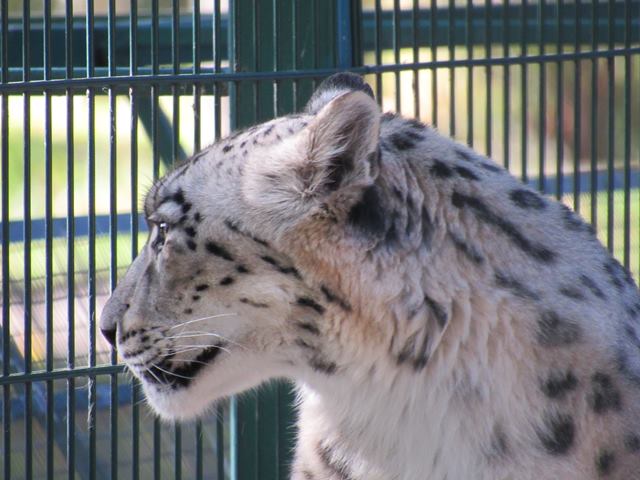
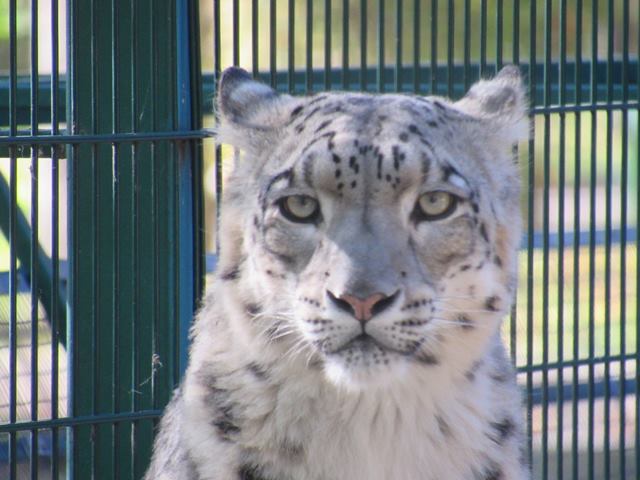
Snow leopards have been kept in Mykolaiv Zoo since the late 1960s. During this entire period, 15 leopards were kept. In the entire history of keeping, there was only one case of reproduction. Currently, our zoo keeps a female snow leopard, her name is Tashi. She arrived to us from Austria in 2015. She is very curious and sociable. She even likes to let the zoo staff pet her ear.