Every year on January 26, the world celebrates World Environmental Education Day. The purpose of this day is to raise people's awareness of global and local environmental problems and the importance of active participation in the preservation and protection of the environment.
The idea arose at the UN Conference on the Human Environment in Stockholm in June 1972, where the Declaration on the need to improve the quality of the environment was adopted. It was there that the importance of caring for the environment was raised, and the need to create general principles for improving the ecological state of the planet was formulated.
The main goals of this day:
- Popularization of environmental knowledge and increasing environmental culture.
- Awareness of global and local environmental problems and the relationship between man and nature.
- A call to action – self-education, joint efforts and responsible behavior to preserve the planet.
- Raising responsibility for the environment for future generations.
Environmental education is a fundamental component of the activities of modern zoos, transforming them from places of animal keeping into centers of biodiversity conservation. It is aimed at raising environmental awareness, forming a responsible attitude towards nature and understanding the importance of harmonious coexistence of man and the environment through education, upbringing and science.
The main areas of environmental education in zoos include:
- Formation of ecological culture: cultivating a conscious attitude towards the environment, understanding the value of nature and responsibility for every action.
- Popularization of knowledge: dissemination of information about environmental problems, such as air pollution, water bodies and waste management.
- Practical activities: holding events, thematic days and educational campaigns that stimulate sustainable development.
- Species conservation: explaining the role of zoos in preserving biological diversity and studying ecosystems.
Zoos act as centers where visitors gain knowledge about the consequences of anthropogenic impact on climate and nature.
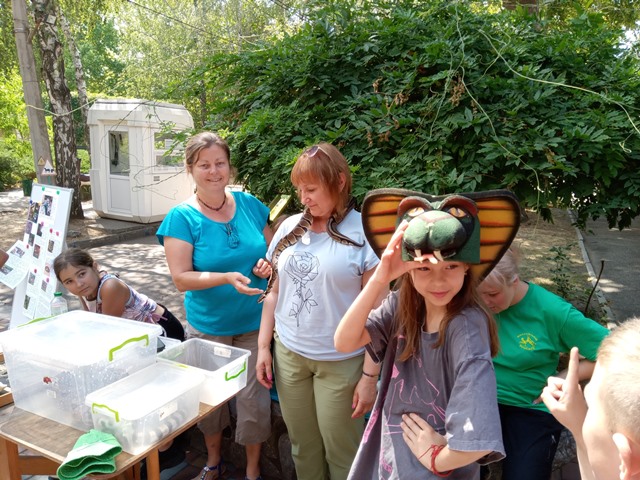
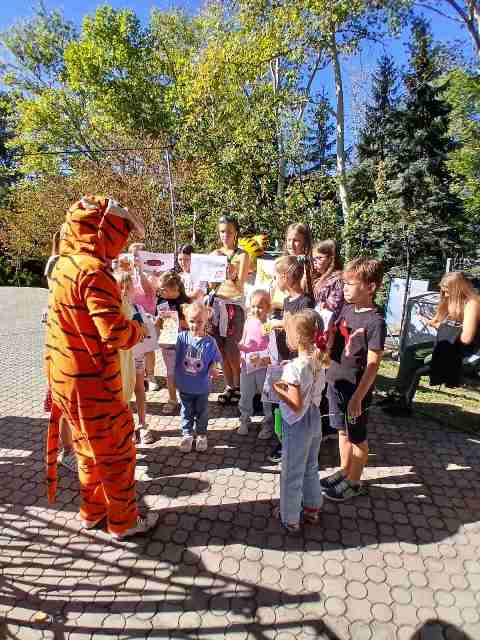
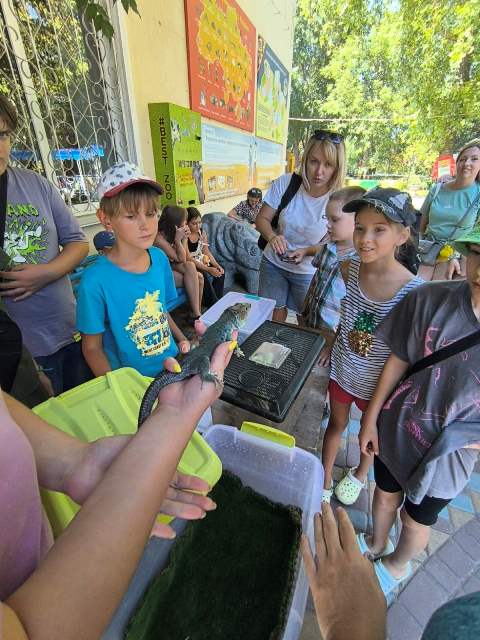
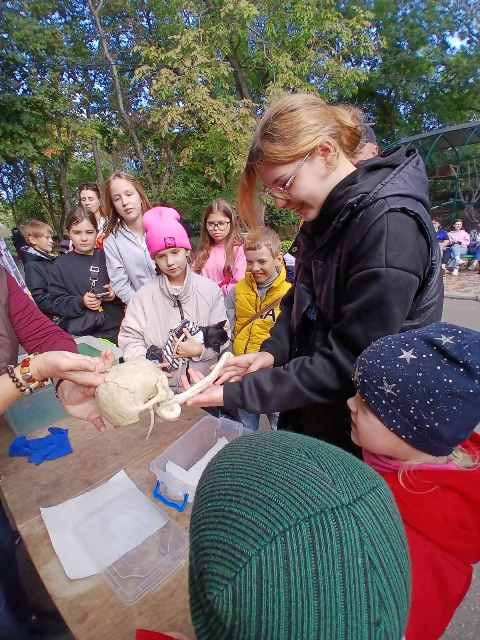
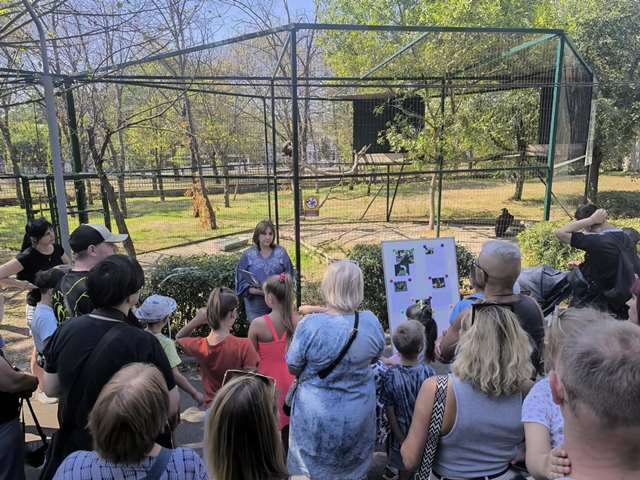
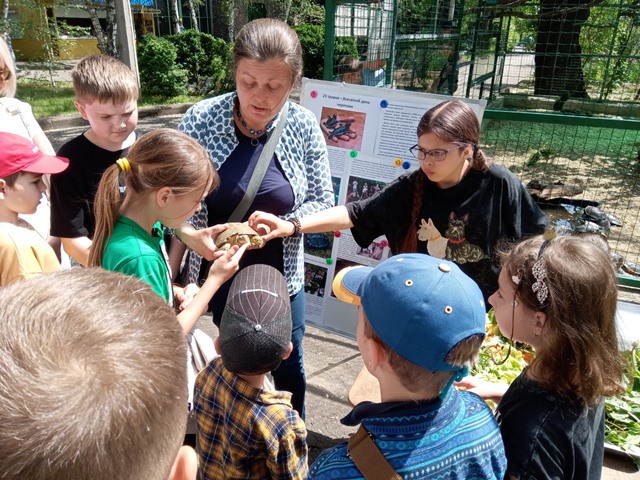
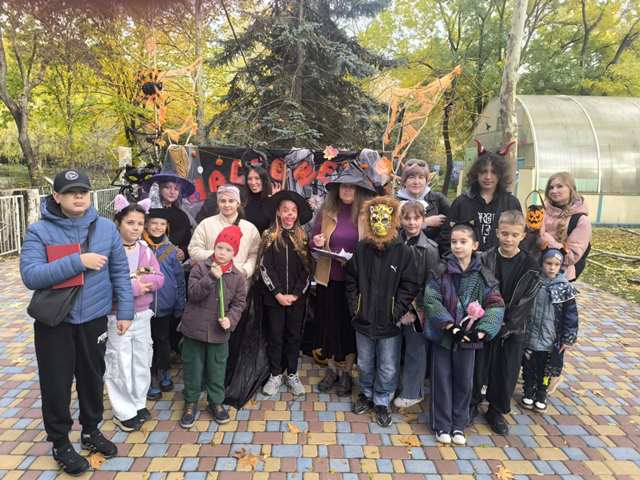
Mykolaiv Zoo is no exception. Environmental education is an important component of our zoo's work. It is here, among the animals, at moments when children and adults clearly realize the beauty and fragility of nature's creations, that the information received on environmental protection can be absorbed at a deep level. Talking about our wonderful animals, we also talk about the risks for individual species and for the ecosystem as a whole. And we explain what each person can do to preserve nature and some specific animals in particular. For example, by showing the zoo's snakes on the Snake Day holiday, giving the opportunity to talk to them, touch them, we hope to explain to at least some visitors the groundlessness of the biased aggressive attitude towards snakes, and, perhaps, the next time, seeing a snake in nature, this person will not urgently destroy it. Talking about bats, their role in nature, and how to behave if they find a bat in summer or winter, we hope that our listeners, having found this wonderful, useful animal on their balcony, will not kill it as harmful and "unclean". World Environmental Education Day reminds us of the importance of environmental knowledge for a sustainable future, solving challenges such as climate change, and forming an environmental culture from an early age.