Every year on July 14, the world celebrates World Chimpanzee Day – a day dedicated to our closest relatives in the animal kingdom and to raising awareness of the need to protect them. It was on this date in 1960 that Dr. Jane Goodall began her legendary field studies of chimpanzees in Gombe National Park, Tanzania, forever transforming our understanding of these remarkable primates.
World Chimpanzee Day was established by a coalition of conservation organizations, including the Jane Goodall Institute, the North American Primate Sanctuary Alliance, the Liberia Chimpanzee Rescue & Protection, and Lincoln Park Zoo. Its main purpose is to promote knowledge about chimpanzees, their role in nature, and the importance of conserving these extraordinary animals.
Chimpanzees are our closest living genetic relatives, sharing more than 98% of their DNA with humans. They are distinguished by their high level of intelligence, remarkable learning abilities, excellent memory, and complex social behavior. Jane Goodall's research marked a major breakthrough in science. She was the first to document that chimpanzees not only use tools but also manufacture them. For example, they strip leaves from twigs to fish termites out of their mounds, use stones to crack open hard fruits and nuts, and employ leaves as makeshift sponges to soak up drinking water.
The social lives of chimpanzees are exceptionally complex. They live in large communities that may consist of several dozen individuals. Within these groups, strong social bonds and hierarchical relationships develop, while communication takes place through facial expressions, gestures, touch, body postures, and a wide range of vocalizations. Chimpanzees are capable of empathy, helping one another, sharing food, caring for injured or weakened group members, and even mourning the loss of relatives.
In the wild, chimpanzees inhabit the tropical forests and savannas of Central and West Africa. They play a vital role in maintaining healthy ecosystems by dispersing the seeds of numerous plant species and contributing to the natural regeneration of forests.
Unfortunately, the future of these primates remains under serious threat. The principal causes of their population decline include habitat destruction due to deforestation, mining, agricultural expansion, poaching, the illegal wildlife trade, and infectious diseases. Today, chimpanzee species are listed as threatened with extinction, and their populations continue to decrease.
Modern zoos play an important role in chimpanzee conservation. They participate in genetic management and international breeding programmes, support scientific research, provide environmental education, and contribute to conservation projects in the countries where chimpanzees occur naturally.
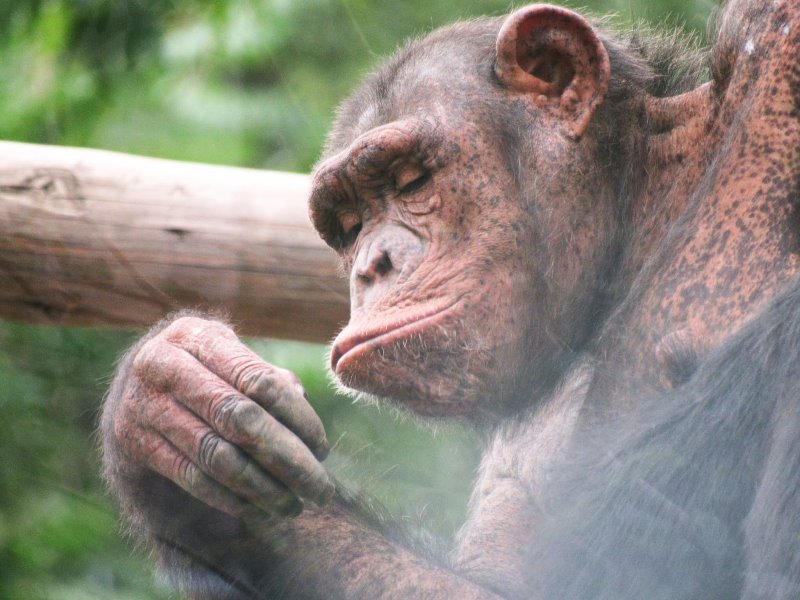
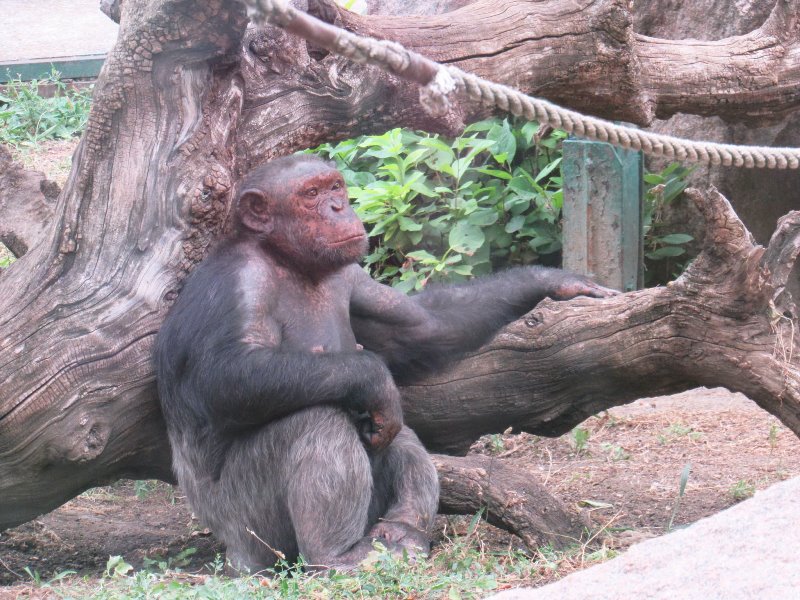
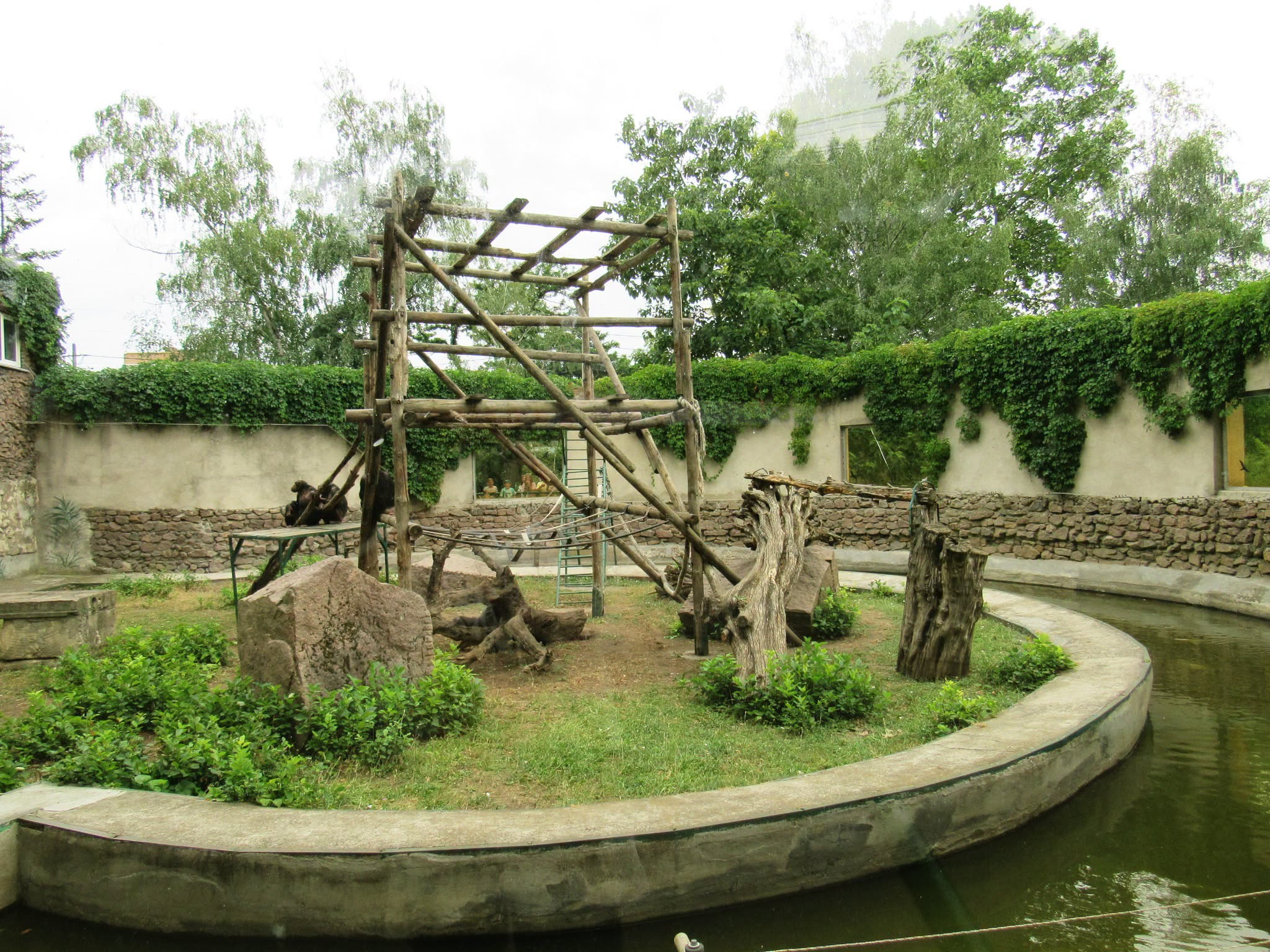
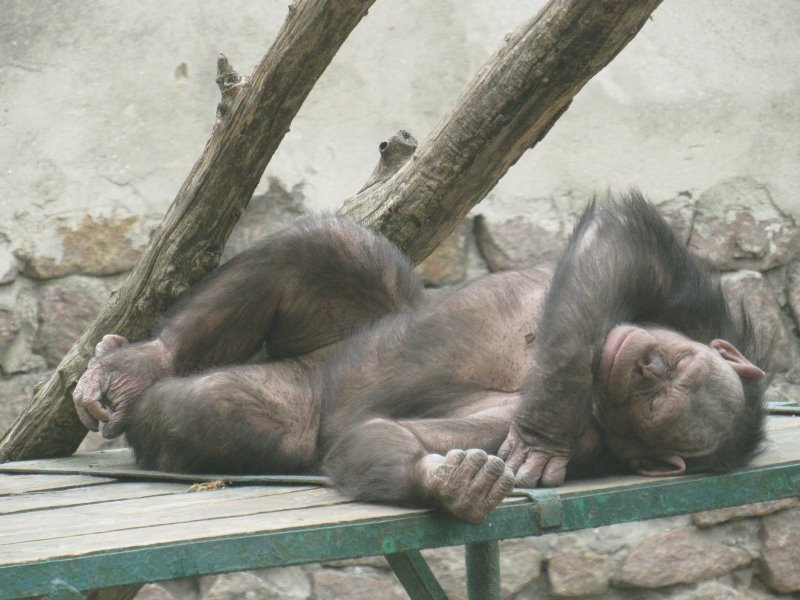
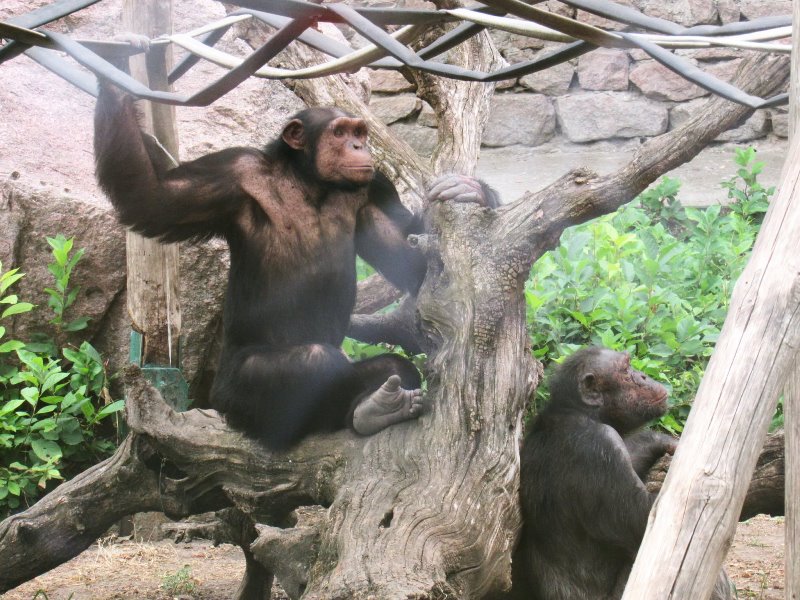
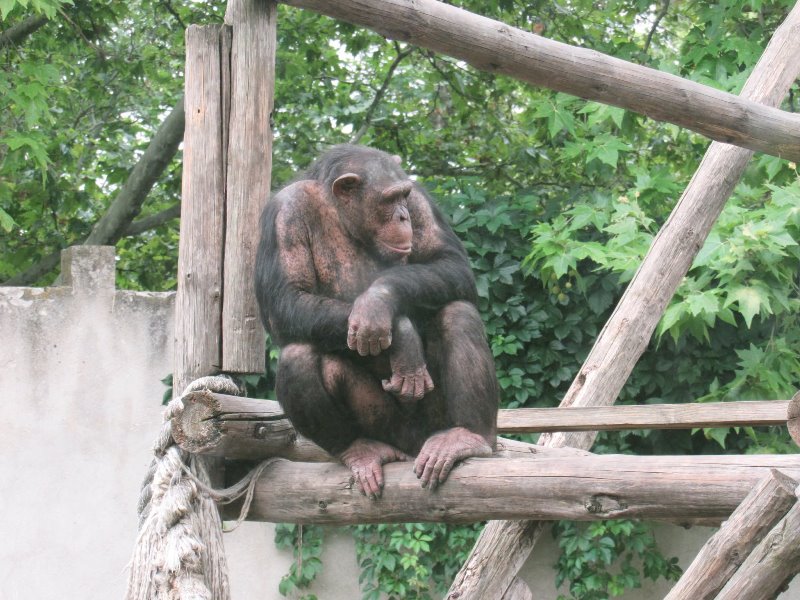
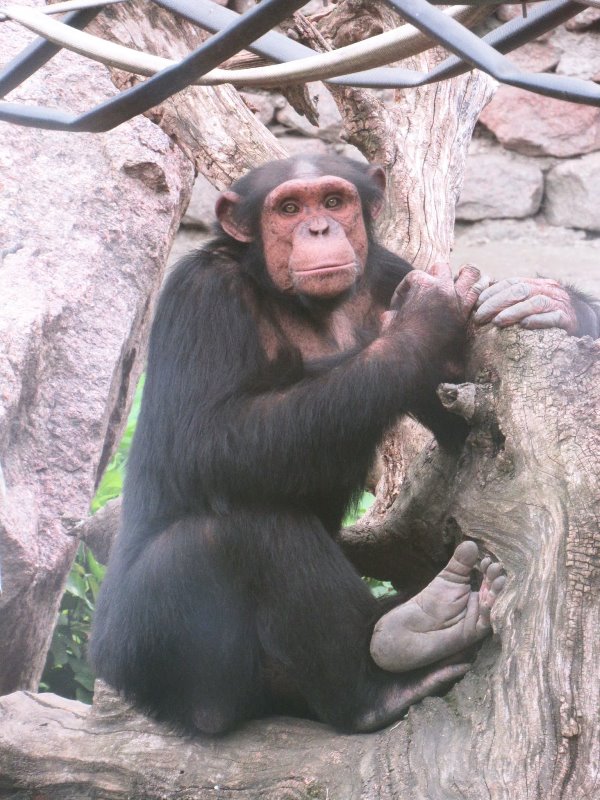
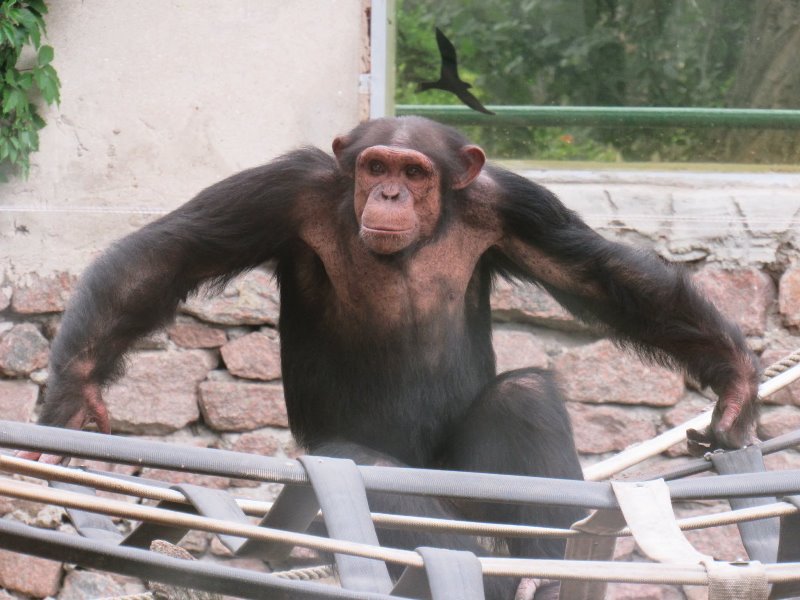
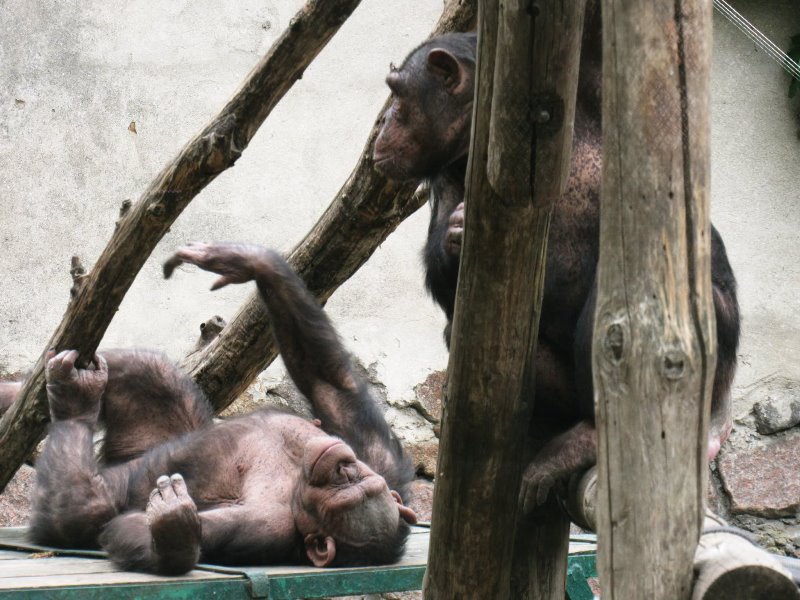
Mykolaiv Zoo is also proud to celebrate World Chimpanzee Day. Our zoo is home to a group of common chimpanzees (Pan troglodytes): Aliti, Chilina, Ramina, and Sherman. They are provided with conditions that meet their biological and behavioural needs, including a spacious enclosure equipped with a variety of enrichment structures that encourage natural activity and exploration. Our animal care specialists look after their health, nutrition, and physical well-being every day.
We warmly invite everyone to visit Mykolaiv Zoo, meet our chimpanzees, and learn more about the lives of these fascinating primates. Caring for nature, supporting conservation initiatives, and spreading knowledge about endangered wildlife are meaningful ways in which each of us can contribute to preserving our planet's biodiversity.