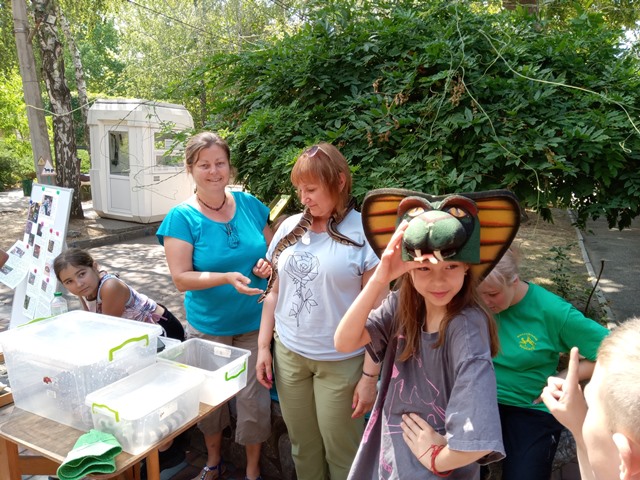
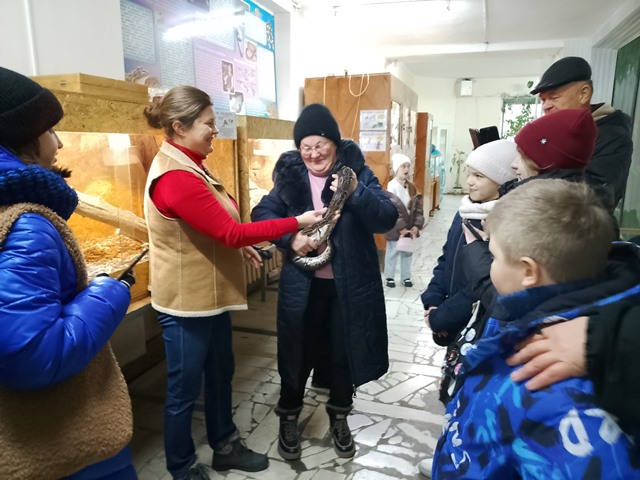
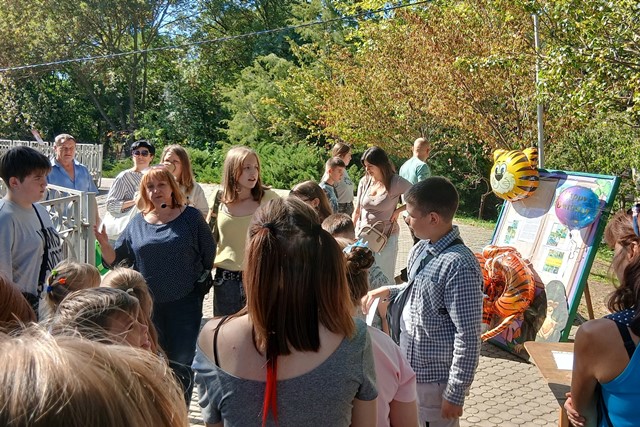
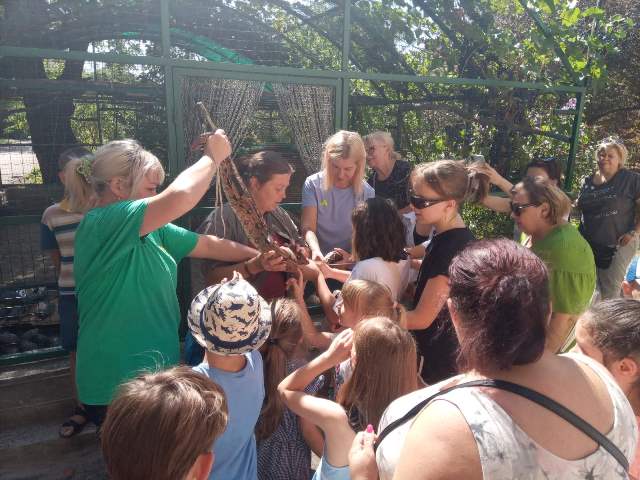
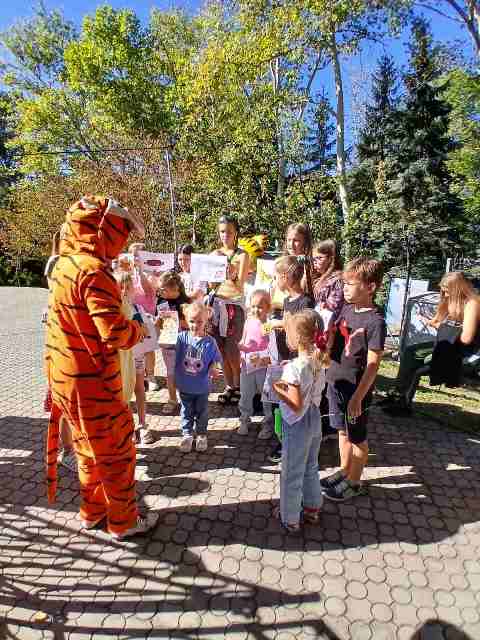
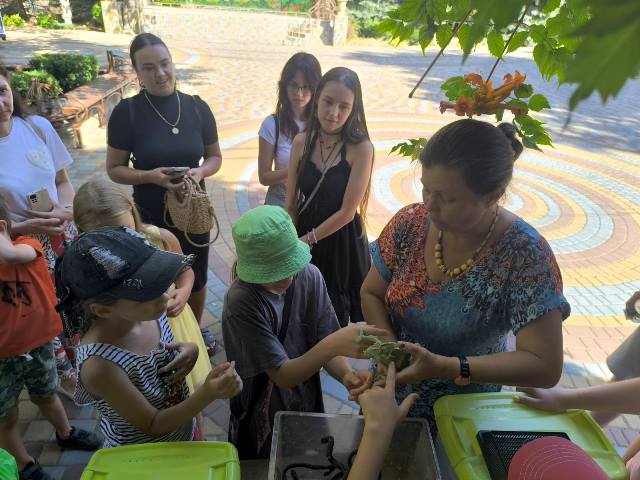
World Environmental Education Day is celebrated on 14 October, in honor of the 1977 Intergovernmental Conference on Environmental Education held in Tbilisi, Georgia. The day is dedicated to raising awareness of environmental issues, promoting environmental education worldwide, and encouraging conscious action for a sustainable future. Although 14 October is the universally recognized date, some organizations may celebrate on other days, such as 26 January. The issue of environmental protection and education is so important today that World Environmental Education Day is celebrated more than once a year. Environmental education is crucial in today's world, where the planet faces numerous challenges, from climate change to deforestation. It aims to improve the relationship between humans and nature, emphasizing their interdependence. By understanding and addressing environmental issues, we can work towards a sustainable future where both humans and nature thrive. The celebration of this day is an important stage in the process of global popularization of environmental knowledge and the formation of awareness that each of us can influence the state of the environment. Environmental education, work among the broad masses of the population in Ukraine, unfortunately, has always been not at the best level. Consumer attitude towards nature in Soviet times and to a large extent now, lack of access to information among many segments of the population and, accordingly, lack of elementary knowledge about wildlife, anthropomorphized approach towards animals among many people, war, during which issues of nature protection recede into the background – all this affects the environmental awareness of the population. Unfortunately, many people are guided by false knowledge about nature in their activities – they believe that "extremely dangerous" bats will cling to the hair and drink blood (and they need to be destroyed), they are panic-stricken afraid of all snakes without exception (and they are not just afraid, but consider it necessary to kill the "dangerous reptile"). In their greed, people set fire to stubble, destroy unique natural areas for crops. Many, not understanding the role of the modern zoo in preserving biodiversity, call for closing zoos and "letting everyone go free", but at the same time, finding young wild animals in nature, they necessarily "save" them, dragging them to the same zoo. All this happens precisely due to the insufficient ecological education of humanity. Zoos are an important center of environmental education. It is interesting, accessible and very effective here! In Mykolaiv Zoo, people receive a lot of information about nature in an educational way, because it is very interesting to find out what kind of creature is in front of you. Children and adults receive a lot of knowledge during excursions to the zoo. Our numerous thematic events dedicated to snakes or lizards, turtles or cranes are interesting and useful in terms of environmental education. During these events, we not only organize interesting, high-quality leisure for our visitors, but also try to give them knowledge about nature, about the relationship with animals, about the importance of each species in an accessible form.
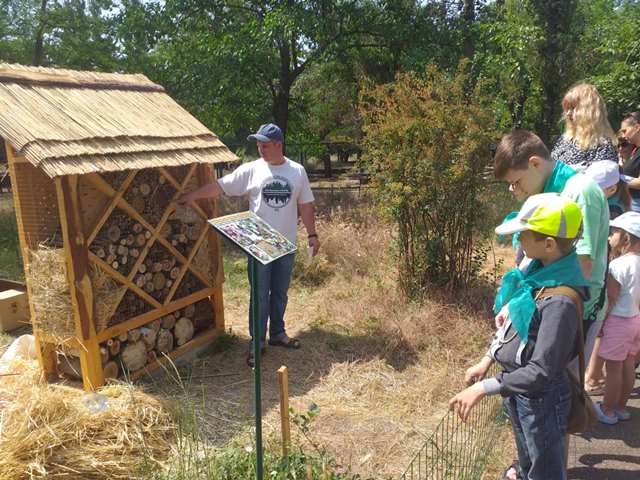
The zoo's young biologists' circle is also a traditional and very important form of environmental education. Our young naturalists not only gain knowledge about nature themselves, but also spread it among their peers, relatives, and acquaintances. No young naturalist will offend an insect, frog, or snake, even when they are dangerous, will not destroy flowers for a bouquet, or leave garbage in the forest!
Not all people have the opportunity or desire to visit a zoo. But modern technologies make it possible to widely disseminate knowledge among a very wide audience. Our educational thematic articles and films also spread a lot of useful information about animals.
We are happy to be involved in the important cause of preserving life on Earth, spreading knowledge about nature, telling people how to treat animals and what everyone can do to save wildlife!