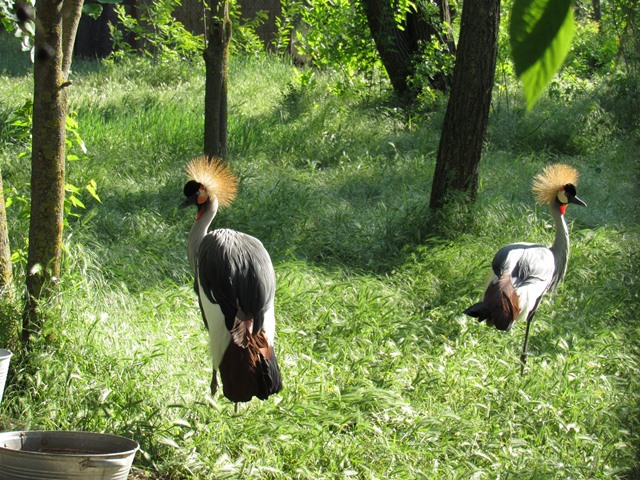
In Ukraine, as in the rest of the world, World Crane Day is celebrated on the second Sunday of September. The purpose of the holiday is to remind people of the importance of joining efforts to protect these unique birds, which are part of the ecosystem and culture of many countries, including Ukraine.
For the first time, World Crane Day was celebrated in the United States of America back in 2002. Environmental scientists did everything possible and impossible to preserve one of the species of whooping crane, which was under threat of extinction. They placed its eggs in the nests of other birds that nested in cozy and safe places. The date when the brood of whooping cranes was saved became a significant environmental holiday.
Cranes are not only extremely beautiful birds. They are heroes of legends and fairy tales of many peoples of the world. In Japan, it is believed that if a person collects 1,000 paper cranes, he can make a wish that will surely come true. This is the number of cranes that Sadako Sasaki, a twelve-year-old girl who died from the consequences of the nuclear bombing of Japan, tried to make. But, unfortunately, she did not have time, so the cherished thousand cranes were collected by her friends. Her story became a symbol of peace and courage.
All species of cranes are associated with water and wetlands. Among cranes there are real record holders: the smallest is the demoiselle crane, the tallest is the sarus crane, and the heaviest is the red-crowned crane.
2 species of cranes nest in Ukraine – the common crane (Grus grus) and the demoiselle crane (Anthropoides virgo). Both species are listed in the Red Book of Ukraine. The decrease in the number of cranes in Ukraine is associated with the drainage of swamps, the use of pesticides and other anthropogenic influences that destroy their natural habitats.
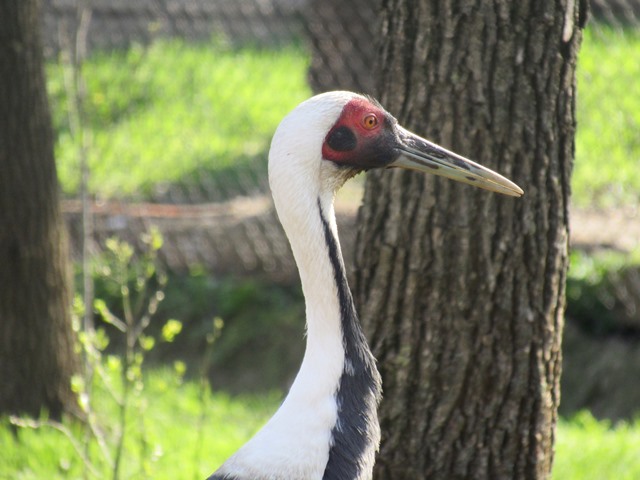
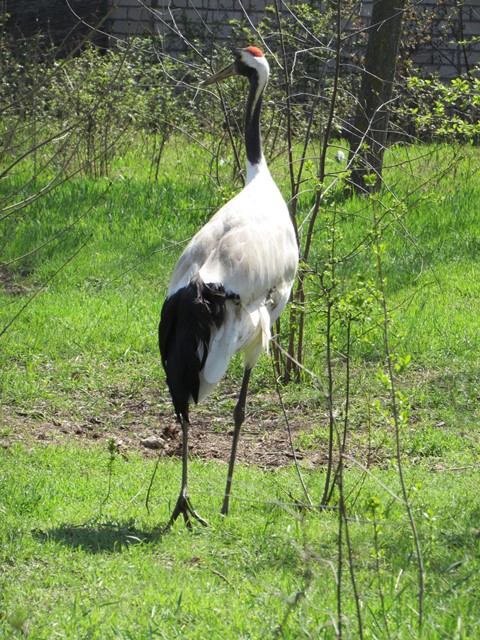
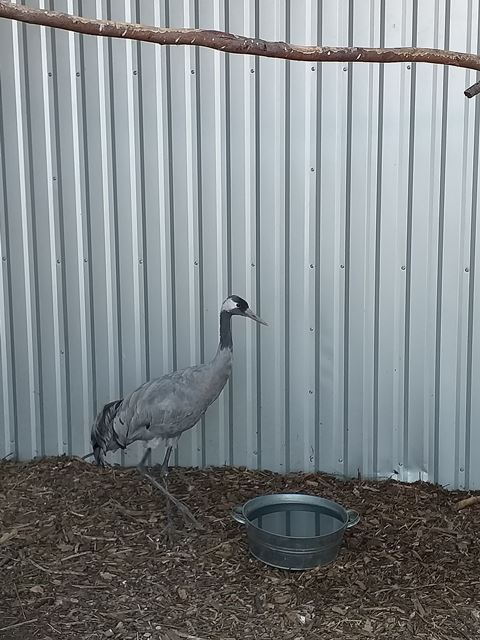
Four species of cranes are kept in Mykolaiv Zoo. These are white-naped cranes (Antigone vipio), red-crowned cranes (Grus japonensis), grey crowned cranes (Balearica regulorum) and common cranes (Grus grus). By the way, a pair of white-naped cranes are long-livers of the zoo. Borisfen is already 35 years old, and Olvia is 29 years old. Borisfen is very wayward, and Olvia is a kind and sensible female. Borisfen does not always obey the workers. And only Olvia can calm his wayward nature. But the female common crane is very neat, she always washes her beak after dinner.
On this day, environmental campaigns and festivals are held in different countries, excursions are organized to places of autumn crane gatherings, as well as competitions and photo exhibitions dedicated to these wonderful birds.
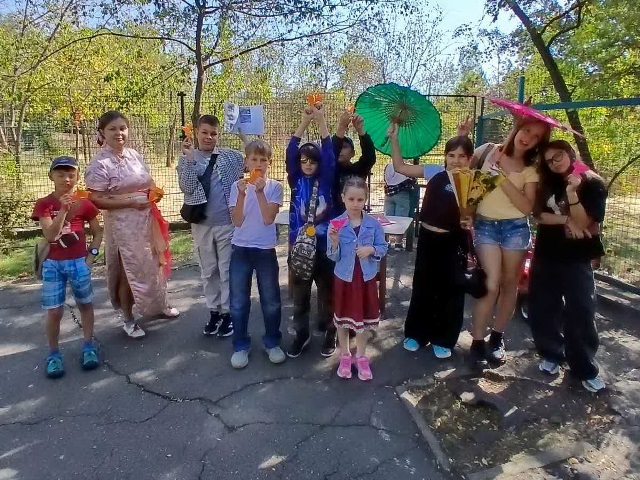
Mykolaiv Zoo also joined the celebration of this day. Together with a group of young biologists, a thematic excursion dedicated to World Crane Day was organized. Also, everyone who wanted joined in making a paper crane (origami). While making a crane, each participant was able to make their most cherished wish.